Are Home Depot and Lowe’s Tracking Your Car? Connecticut Demands Answers Over License Plate Scanners
Big-Box Surveillance: Connecticut Demands Answers Over Parking Lot License Plate Readers
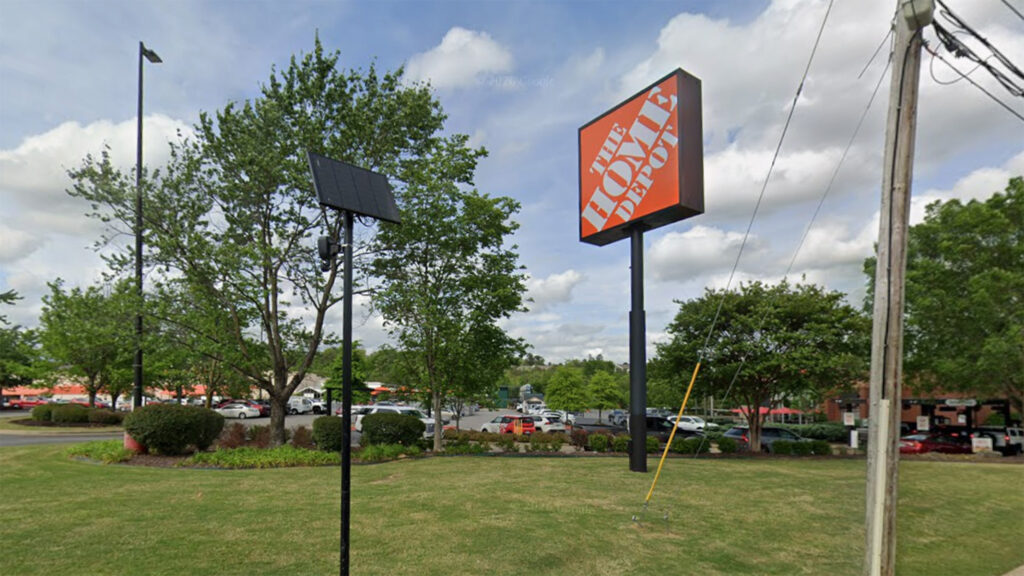
Every time you drive into a retail parking lot, your vehicle might be greeting a silent digital sentry. Two of America's largest home improvement chains, Home Depot and Lowe's, are increasingly utilizing automatic license plate readers (ALPRs) to track vehicles entering and leaving their premises. While the brands argue these measures are crucial for loss prevention, lawmakers in Connecticut are raises serious concerns about driver privacy and the potential creation of an unregulated corporate surveillance network.
Democratic leaders in Connecticut’s House and Senate have officially challenged the chief executives of both retail giants. They are demanding transparency regarding how these camera networks, many of which are supplied by security firm Flock Safety, gather, store, and distribute motorist data. The primary worry is that unlike government agencies, private corporations operate without the same constitutional guardrails, leaving driver data vulnerable to misuse.
The Battle Between Theft Prevention and Driver Privacy
Retail crime and organized parking lot theft have plagued big-box stores in recent years. In response, retailers have turned to high-tech solutions. However, the scale of this automated surveillance has caught the attention of consumer advocates. To address these issues, Connecticut legislators have presented the companies with a formal inquiry containing eight critical questions, focusing on the following areas:
- Data Retention: How long do the retailers store the license plate records and vehicle physical characteristics?
- Access Protocols: Which internal employees or third-party contractors can view the database?
- Law Enforcement Cooperation: Are police departments granted unrestricted access to this data, and do those requests require a formal judicial warrant?
- Out-of-State Sharing: Can law enforcement agencies from other states access local vehicle tracking information?
Lowe’s and Home Depot have publicly stated that the cameras serve to discourage theft, combat fraud, and bolster general customer safety. However, their digital privacy statements suggest that collected information can be handed over to police departments upon request, bypassing standard legal thresholds.
Closing the Corporate Loophole on Auto Tracking
This scrutiny comes on the heels of Connecticut’s proactive legislative measures to protect vehicle owners. Earlier this year, the state enacted laws to restrict how public police departments share ALPR information across state lines. Under these rules, out-of-state authorities—excluding those in neighboring Massachusetts, New York, and Rhode Island—must present a warrant to access Connecticut's public license plate databases.
However, private retail networks like those operated by Lowe's and Home Depot represent a massive loophole. If a private company willingly hands over parking lot surveillance data to out-of-state law enforcement, the statutory protections established for Connecticut citizens are effectively bypassed. As motorists continue to seek transparency, the automotive community and privacy watchdogs await formal responses from both corporate giants.
Image Credit & Source: Original Article