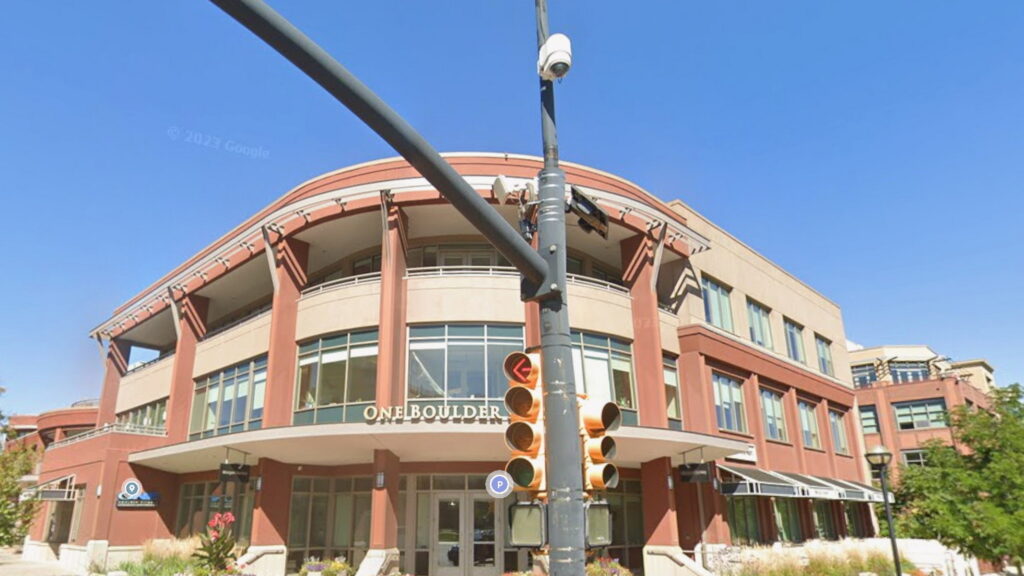
Privacy Battle: Boulder Residents Sue Police Chief Over Mass License Plate Tracking
Automatic license plate readers (ALPRs) have quickly become a staple of modern American policing. While some major metropolitan areas deploy hundreds of these high-tech cameras to track every vehicle entering or leaving city limits, smaller networks are now facing fierce legal pushback. In Boulder, Colorado, a newly filed lawsuit is putting the local police department's surveillance tools under the microscope, proving that even a modest camera setup can spark a massive constitutional debate.
The legal challenge, filed in the Boulder County District Court, names Boulder Police Chief Stephen Redfearn as a primary defendant. Plaintiffs Gwen Steel and William Freeman allege that the city's network of 31 active Flock Safety cameras constitutes an unlawful, warrantless mass surveillance program. They argue that this system continuously monitors local motorists without judicial warrants, probable cause, or sufficient privacy safeguards.
Mapping the Routines of Daily Life
According to the legal complaint, these cameras do much more than capture numbers on a metallic plate. By systematically cataloging locations and timestamps in a searchable database accessible to law enforcement, the ALPR network can paint an incredibly intimate picture of a driver's personal life. Civil rights advocates claim this tech effectively tracks where people work, go to school, worship, receive healthcare, or engage in political gatherings.
This lawsuit goes beyond theoretical concerns. One of the plaintiffs, Freeman, claims he was denied access to his own vehicle's tracking data after submitting a public records request to the Boulder Police Department. As a result, the lawsuit also names Police Records Specialist Dawn VanAckeren. The plaintiffs are asking for financial damages and, more importantly, a court-ordered injunction requiring police to obtain a warrant before utilizing automated tracking readers.
A Unique Legal Framework and the Defense
Civil rights attorney Andy McNulty, who represents the plaintiffs, emphasizes that Colorado's state constitution offers much more robust privacy protections compared to federal standards. McNulty argues that no court has established the probable cause required to justify tracking every single vehicle traveling through Boulder's public roadways on a 24/7 basis.
On the other side, local law enforcement continues to defend the technology as an indispensable public safety tool. Police officials argue that the cameras aid in tracing stolen vehicles, finding missing persons, and lowering overall crime rates. During a public town hall, Redfearn reassured residents that the public safety benefits outweigh any hypothetical misuse, noting that Boulder does not share this data with federal immigration authorities.
Flock Safety Stands Its Ground
Flock Safety, the prominent manufacturer of the tracking hardware, remains confident in its legal standing. The company pointed out that similar constitutional objections have consistently been dismissed in various courts across the United States. Flock Safety maintains that fixed camera systems are entirely lawful tools, reminding critics that individual law enforcement agencies retain ultimate control over their own data retention and sharing policies.
The high-stakes case has been assigned to District Judge Michael Kotlarczyk. For now, Boulder officials say they are reviewing the allegations and will issue their formal response through the court system.
Key Takeaways of the Boulder ALPR Lawsuit
- Constitutional Challenge: Residents are challenging the warrantless use of ALPRs in Boulder, Colorado, citing privacy violations.
- Targeting Leadership: The lawsuit targets Police Chief Stephen Redfearn and seeks to halt the automated camera program.
- Corporate Defense: Flock Safety defends its technology, stating similar court cases have historically failed to dismantle their networks.
Image Credit & Source: Original Article