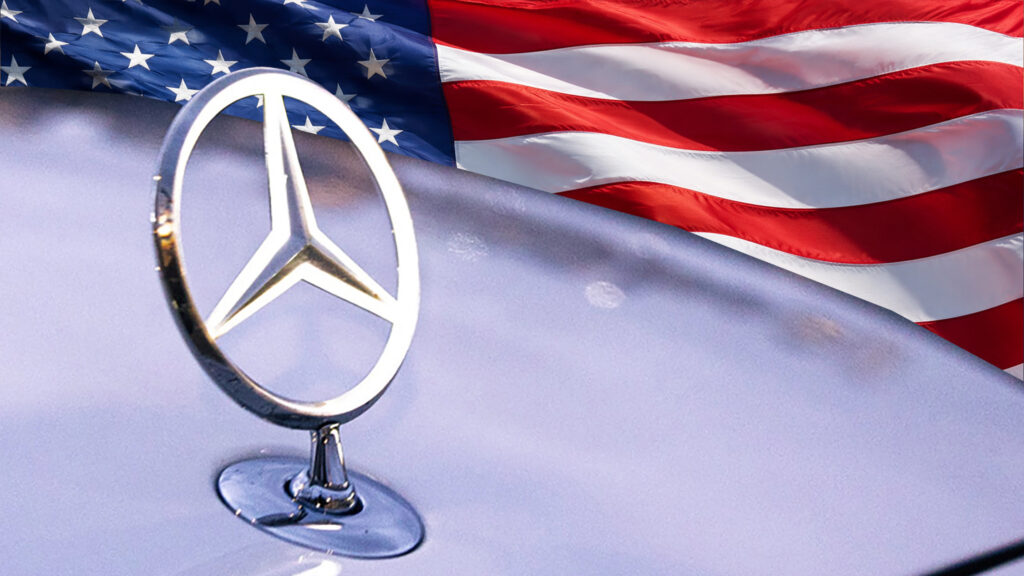
How a New US Bill Targeting Chinese Cars Could Accidentally Ban Mercedes-Benz
The intensifying geopolitical tug-of-war between Washington and Beijing is sending shockwaves through the global automotive sector. In a bid to restrict Chinese influence in the American automotive market, US lawmakers have proposed aggressive new legislation. However, this sweeping bill has unexpectedly put Mercedes-Benz directly in the line of fire, despite the German luxury brand's deep manufacturing roots in America.
The proposed legislation, known as the Motor Vehicle Modernization Act, aims to protect national security by banning vehicles tied to "foreign adversaries." While the main targets are outright Chinese brands, the wording of the bill could have massive collateral damage, potentially blocking Mercedes-Benz from selling its vehicles in the United States.
The Chinese Connection: It is All About the Shareholders
The core issue for Mercedes-Benz does not stem from where its vehicles are assembled, but rather from who owns its stock. The luxury automaker has two major Chinese shareholders holding significant stakes in the parent company:
- BAIC Group: The Chinese state-owned automaker owns just under 10 percent of Mercedes-Benz shares.
- Li Shufu: The chairman of Geely also controls a personal stake of just under 10 percent.
Combined, these two entities control approximately 19.7 percent of Mercedes-Benz. Under the proposed guidelines of the Motor Vehicle Modernization Act, this level of ownership by individuals or state-backed firms from targeted nations could classify the brand as having direct or indirect ties to a foreign adversary, triggering a potential sales ban.
Why Local American Assembly May Not Be Enough
Historically, Mercedes-Benz has established itself as an American manufacturing powerhouse. The brand has operated a major assembly facility in Tuscaloosa, Alabama, for decades, alongside a commercial van facility in South Carolina. The brand employs over 10,000 workers across the United States, recently celebrated building its 5 millionth American-made vehicle, and is actively shifting production of its popular GLC SUV to its Alabama plant.
While the draft legislation does feature grandfathering exemptions designed to protect long-standing domestic and foreign car manufacturers with localized US production, a critical loophole exists. Those protections are completely nullified if a company’s ownership structure involves direct or indirect control linked to governments deemed adversarial. Since BAIC is a Chinese state-owned corporation, Mercedes-Benz falls squarely into this legislative gray area.
Mercedes-Benz Remains Calm Ahead of Political Negotiations
Despite the high stakes, Mercedes-Benz leadership is maintaining a composed public outlook. CEO Ola Källenius has voiced confidence in finding a resolution, suggesting that the brand expects a workable compromise with US policymakers should the situation escalate. The automaker is actively engaging with government officials in Washington to clarify the scope of the bill and protect its multi-billion-dollar US investments.
With over 300,000 vehicles sold in the United States last year, North America remains a vital profit center for Mercedes-Benz. While an actual sales ban remains highly speculative and the bill faces many revisions before becoming law, this scenario highlights the increasingly fragile nature of the highly interconnected global car industry.
Image Credit & Source: Original Article