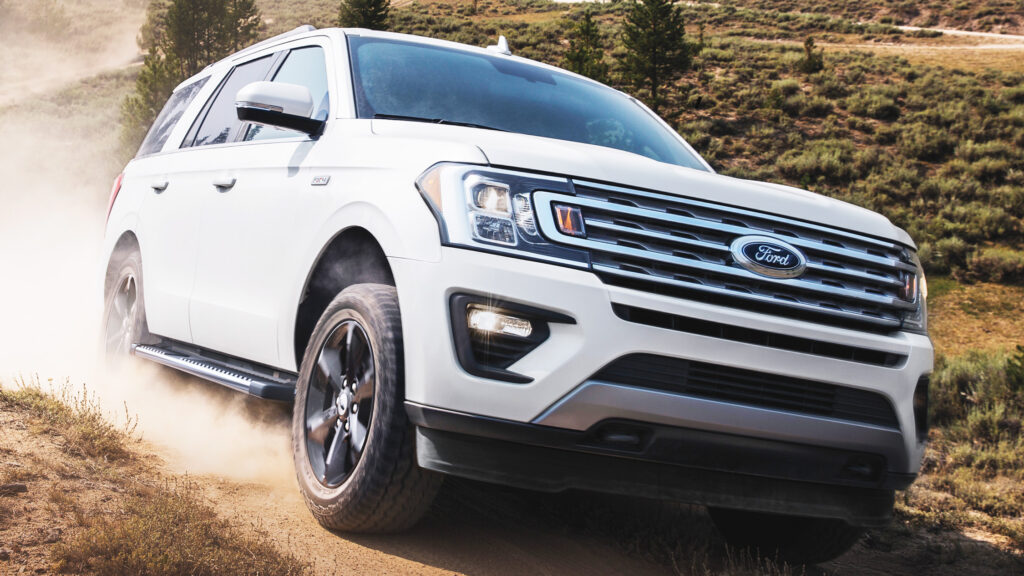
Ford and Lincoln Recall 420,000 Large SUVs Over Unexpected Seatbelt Lockups
Seatbelts are designed to protect us in the event of an emergency by locking tightly during a collision while allowing freedom of movement under normal driving conditions. However, for nearly 420,000 SUV owners in the United States, that vital safety mechanism might behave unexpectedly. Ford Motor Company has issued a major safety recall addressing front seatbelt pretensioners that can activate without warning, trapping occupants firmly against their seats during routine travel.
The recall targets exactly 419,967 luxury and full-size SUVs, focusing on some of the automaker's most popular family haulers. The issue affects vehicles from the 2018 through 2022 model years, expanding upon previous recall efforts to ensure passenger safety across the board.
Which Vehicles Are Affected?
The safety campaign primarily involves two high-profile, body-on-frame utility vehicles manufactured at Ford’s Kentucky Truck Plant between May 2017 and October 2022. The affected models include:
- Ford Expedition (Model Years 2018–2022)
- Lincoln Navigator (Model Years 2018–2022)
Interestingly, Ford notes that even if a vehicle was previously brought in and serviced during prior recall campaigns addressing similar seatbelt issues, it may still need to be inspected under this latest initiative. Owners are encouraged to verify their vehicle identification numbers (VINs) to see if they need to schedule a return visit to their local dealership.
The Science Behind the Malfunction
The root cause of this recall involves the chemical compound used inside the seatbelt retractor pretensioner. This system relies on a small pyrotechnic charge to instantly pull the seatbelt tight when a crash is detected. However, Ford's engineering investigation discovered that prolonged exposure to high cabin temperatures can cause the chemical propellant inside these pretensioners to degrade prematurely.
As this propellant breaks down over time, it generates highly corrosive byproducts. This chemical deterioration can damage internal components, eventually triggering an accidental deployment of the system when there is no crash. Driver and passenger seatbelts can suddenly pull tight and lock, refusing to retract or extend normally.
Safety Implications and the Remedy
An unexpected seatbelt deployment is more than just a nuisance; it poses a direct safety hazard. The forceful, sudden tightening of the seatbelt while driving can startle the operator, potentially leading to a loss of vehicle control. Furthermore, a seatbelt that is stuck in a locked position cannot perform its job properly during a secondary event, significantly increasing the risk of occupant injury. In some cases, the sheer force of the rapid retraction itself has caused minor injuries to passengers.
Ford advises that drivers might receive an early warning in the form of an active airbag warning light on the instrument cluster before the physical failure occurs.
To resolve the issue, Ford and Lincoln dealerships will perform a comprehensive inspection of both front seatbelt retractors. Technicians will replace any compromised units free of charge. The newly designed replacement components feature an updated propellant and stabilizer formula engineered to resist high temperatures and maintain long-term chemical stability. Owner notification letters are expected to be mailed out in the late summer months.
Image Credit & Source: Original Article